AD | Local Glen, Which Inspired the Father of Modern Geology, Celebrated in New Exhibition at Blair Castle
Advertorial Feature
Known for staging exhibitions which explore the history & heritage of the castle, its estate, and surrounding environment, Blair Castle has announced that the discoveries of the geologist, Dr James Hutton (1726 – 1797), in Glen Tilt, are its latest focus. A new exhibition entitled “James Hutton & Glen Tilt”, timed to coincide with the 300th anniversary of Hutton's birth, has just opened in the castle’s Banvie Hall.
Sculptor, Jake Harvey RSA, and artist, Helen Douglas, have been commissioned by The Blair Charitable Trust to create exhibits inspired by Glen Tilt, which runs northerly from Blair Atholl for several miles.
It was in this glen, in 1785, that Hutton, an important figure in The Scottish Enlightenment, and now considered as the “father of modern geology”, made the ground-breaking discovery that granite had, at one time, existed in liquid form, and was not the oldest rock on earth, as was believed at the time.
A man ahead of his time in the study of the emerging science of geology, and less well known in his native Scotland than in other parts of the world, Hutton’s observations of the world around him—particularly the rocks and landscapes of Scotland, including Glen Tilt—gave him an understanding of how the planet functions. He understood that the world was ever-changing, driven by heat from the Earth’s interior and erosion of the land surface. Hutton therefore established that our world was indeed a dynamic place, subject to continual natural change.
“Anyone with an interest in the natural world, and those particularly that are fond of visiting beautiful Glen Tilt, will find this exhibition fascinating,” said Keren Guthrie, Archivist at Blair Castle.
“James Hutton visited Glen Tilt in 1785, accompanied by his artist friend, John Clerk of Eldin, at the invitation of the 4th Duke of Atholl,” she continued. “A learned man, with a thirst for knowledge, the duke had an inherent interest in the glen’s landscape and geology.”
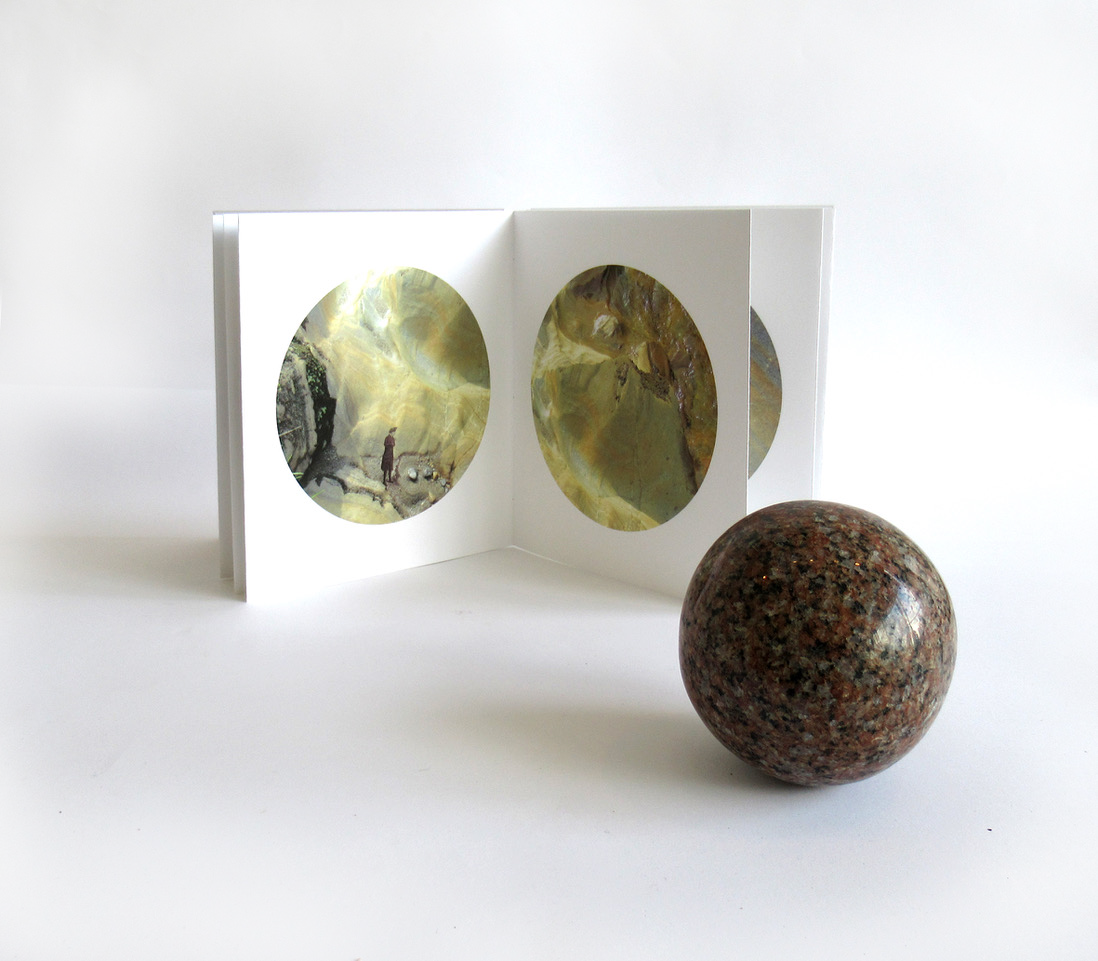
“Within this exhibition, which is being staged as part of an overall celebration of Hutton this year, looking to create greater awareness of his genius in Scotland, those visiting it will find a series of fantastic carved and honed sculptures which Jake has made from rocks in Glen Tilt. Honed to expose their mineral structure, as in a star-lit night sky, they aim to evoke a sense of unfathomable deep time and eternity," continued Keren.
“These are displayed along with Helen’s beautiful visual books, “On Circularity”, “Marble Landscape” & “Fluid Body”, which are all inspired by the beauty of Glen Tilt, general aesthetics of the late 18th Century, and Hutton's seminal book, “Theory of the Earth” which he wrote following his trip to Glen Tilt,” she said.
“It was in this important work that Hutton outlined his theory that the Earth functioned as a 'heat engine’.”
Helen Douglas takes up the story, explaining that of her two other books on display, within the exhibition, “Waterfall” is particularly inspired by the many waterfalls in Glen Tilt which reveal rock strata, essential to Hutton's research.
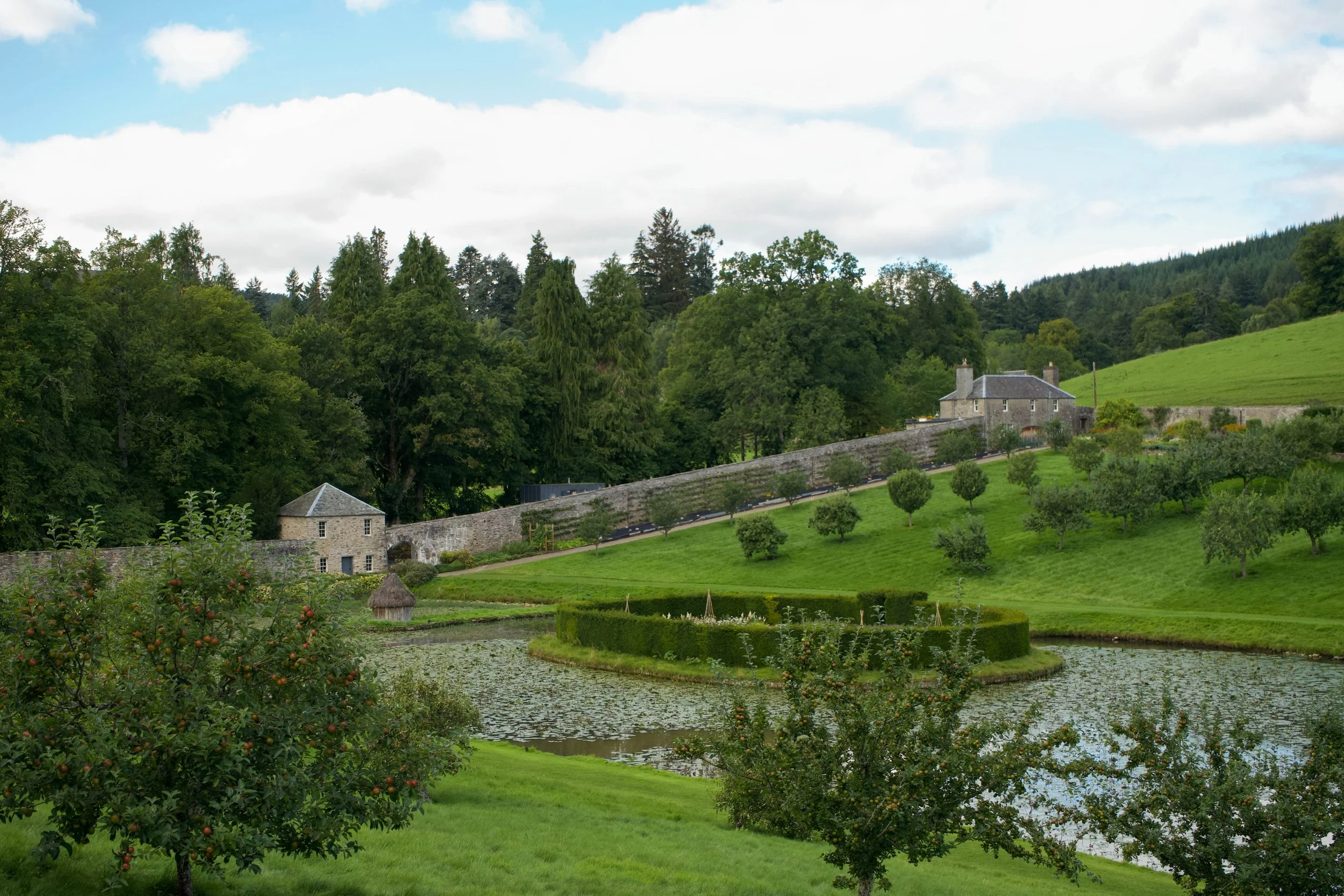
“As well as the many stunning waterfalls in the glen, which I scrambled to, peering into the water, I saw orange iron oxide leeching from the soil, intermingled with, and staining schist, as perhaps Hutton himself had done, I was influenced by Blair Castle‘s own Hercules Garden, and the landscaping of Atholl estate itself generally. The end result of my many explorations, is my "Alpine Schitus" book which I very much hope everyone enjoys,” she said.
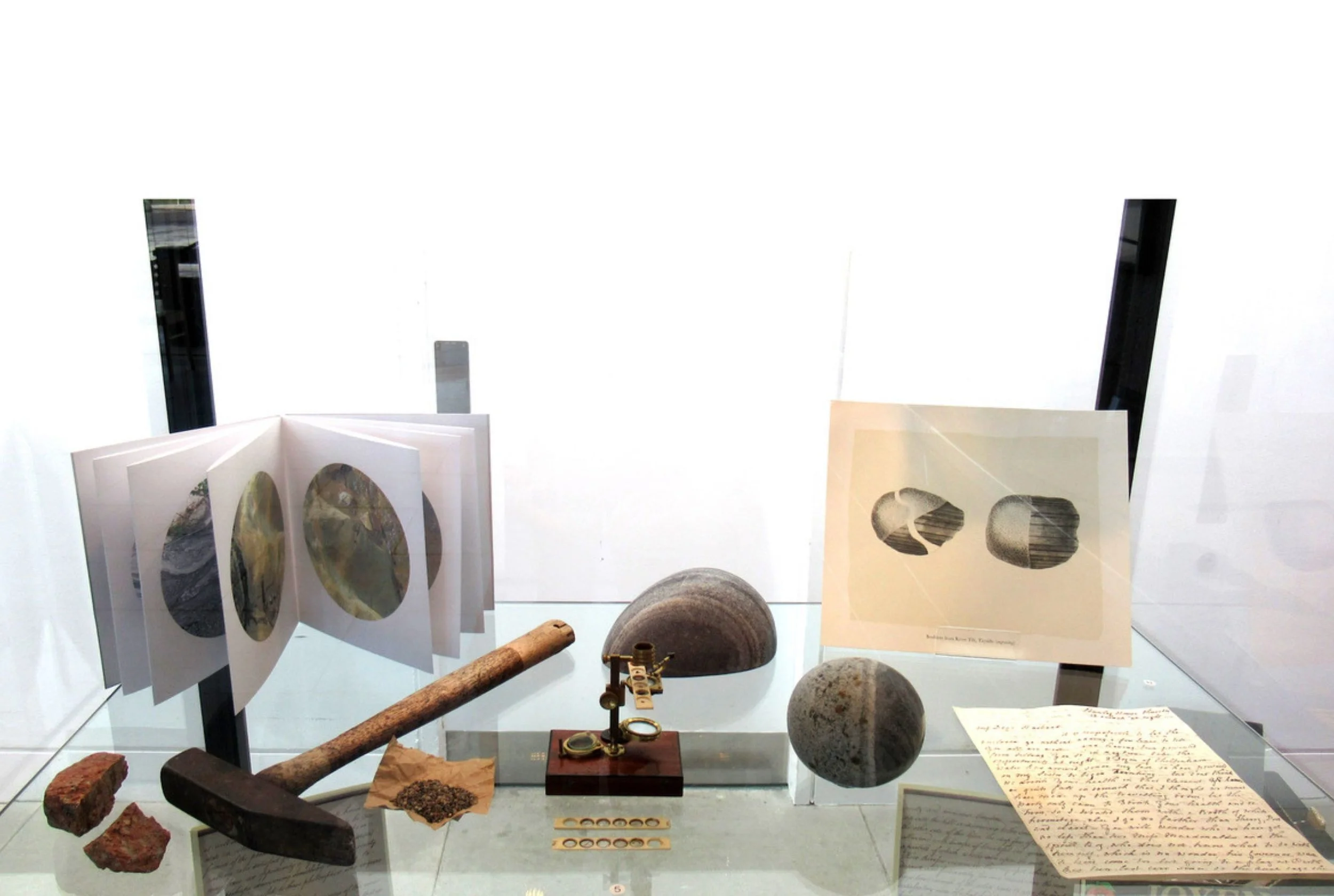
With some exhibits housed in glass cases, backed up with information boards, written by Alan McKirdy, an expert on Hutton, to read, there’s plenty of opportunity for visitors to discover more on the geology of the glen, and Hutton’s account of that visit there. Facsimiles of the drawings (later to be known as The Lost Drawings) created by John Clerk, are also on display.
Keren finished by saying: “Hutton’s new ideas and theories were not accepted during his lifetime, and he had to endure ridicule for what was regarded as a radical interpretation of the rocks he saw in Glen Tilt, and elsewhere in Scotland. But the truth will out, and Hutton’s ideas are now regarded as one of the founding pillars of modern geology.”
“The glen is still a pilgrimage site for geologists from all over the world, keen to walk in Hutton’s footsteps.”
Useful info:
A series of international conferences, lectures, field trips and books are planned to celebrate the tricentenary of Hutton’s birth. Further details can be found here.
For further details on the Blair Castle Dr James Hutton exhibition, please see the website page here.
Exhibition admission is included with a Castle or a Gardens & Grounds ticket.
For sales information regarding the works of Jake and Helen, please email the artists directly on jakeharvey.sculptor@yahoo.com or helen@weproductions.com
Advertorial Feature